 scid.ai
Review
Understand the science and technology landscape
scid.ai is a corporate AI assistant for R&D departments: review, report, presentation and technology hypotheses in one application.
Understand the science and technology landscape
Prepare analytical materials
Prepare material in your corporate style
Form technology hypotheses
From question to finished material in scid.ai.

Formulas, tables, AI text, illustrations and reference formatting — without exporting to Word. All edits are saved as one version.


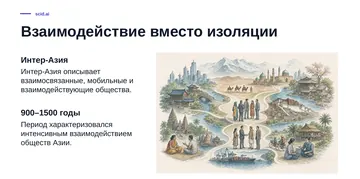
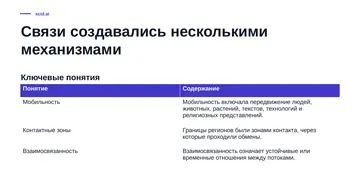
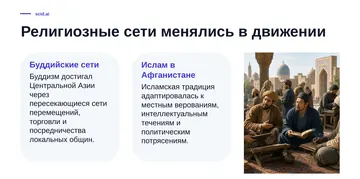
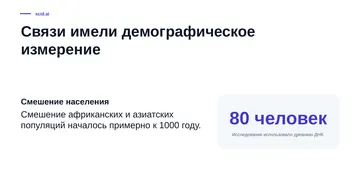
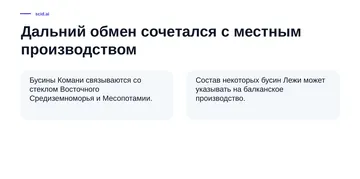
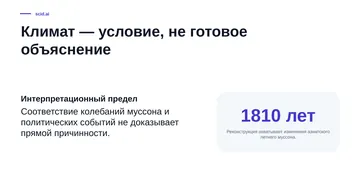
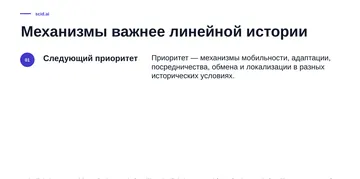
Slides are built from a review or report and downloaded as PPTX.
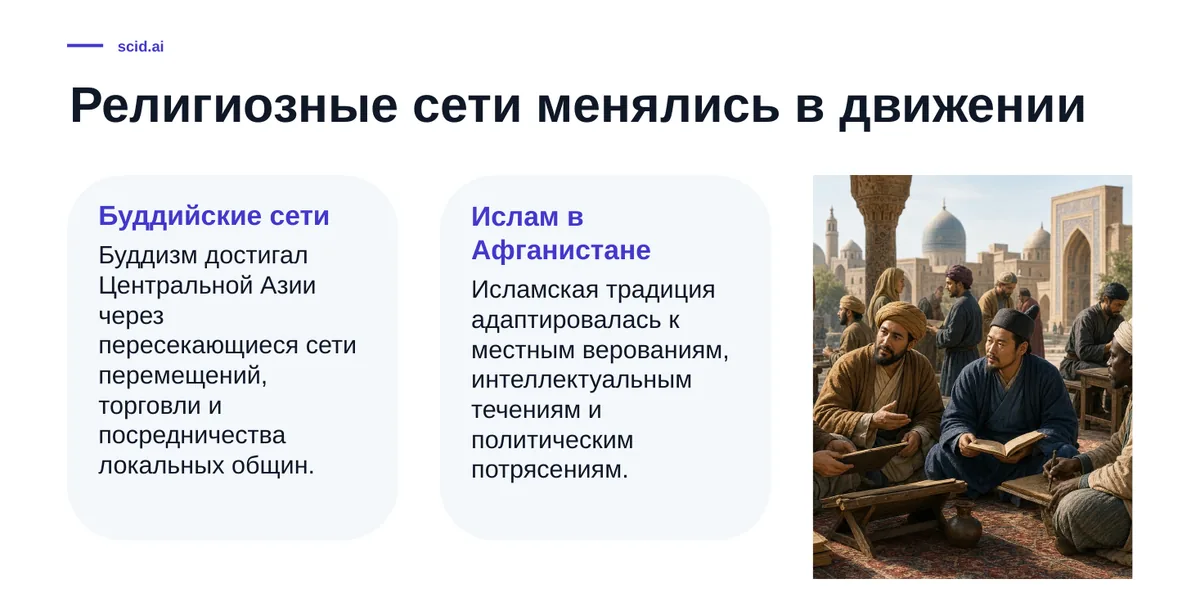
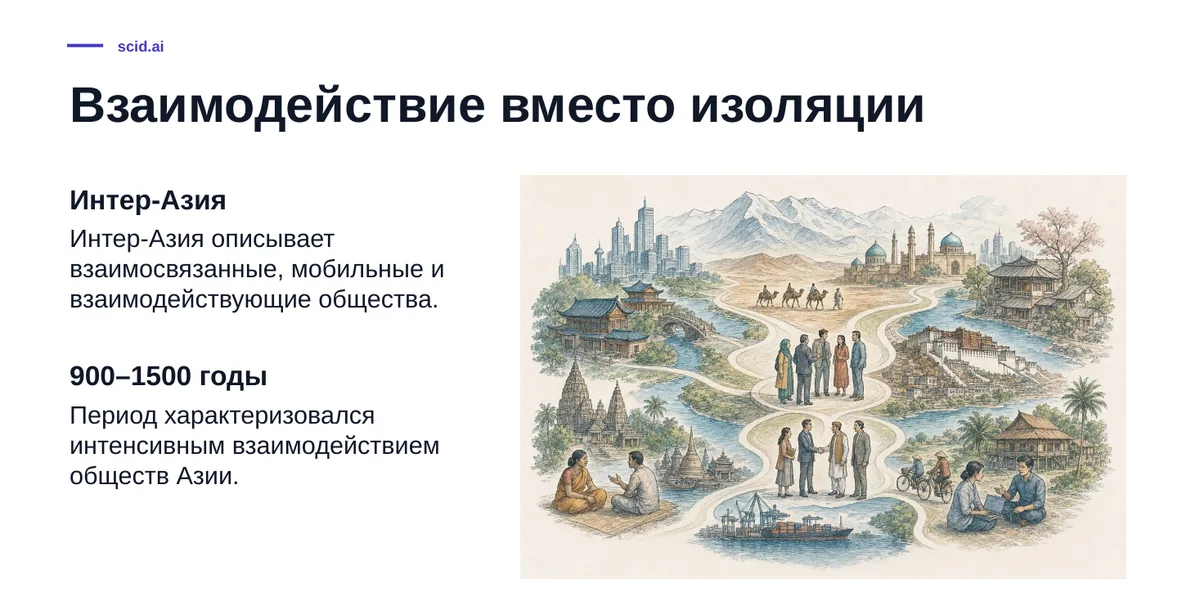
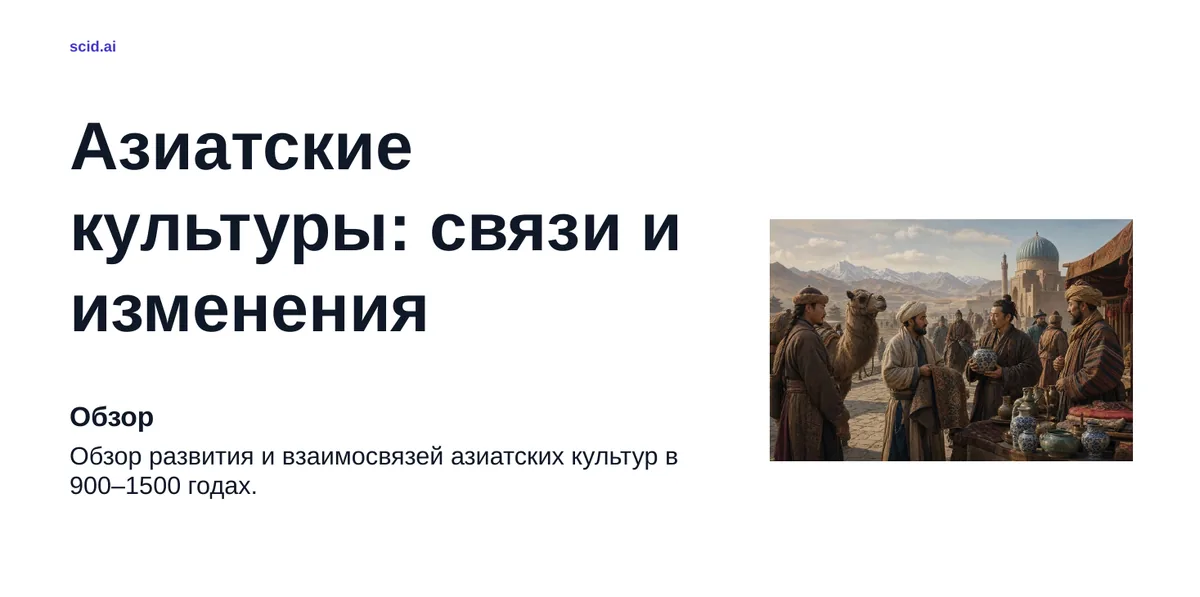 PPTX · 8 slidesDownload PPTX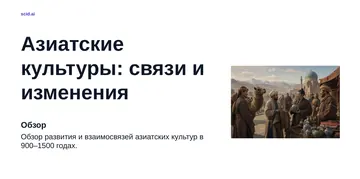
One credit balance for the team, per-member limits, invitations by email and spend by type of work: reviews, reports, presentations, hypotheses.

The question, scientific sources and your own files stay next to the analysis.
Conclusions can be checked against publications and refined for the specifics of the task.
Materials can be handed to a colleague for further work.
Write to us or leave a request and we will show scid.ai on your own research task.