 scid.ai
Literature review
Map the field across dozens of publications
scid.ai leads from a research question to a literature review, claims linked to sources, a paper and a talk — in one project.
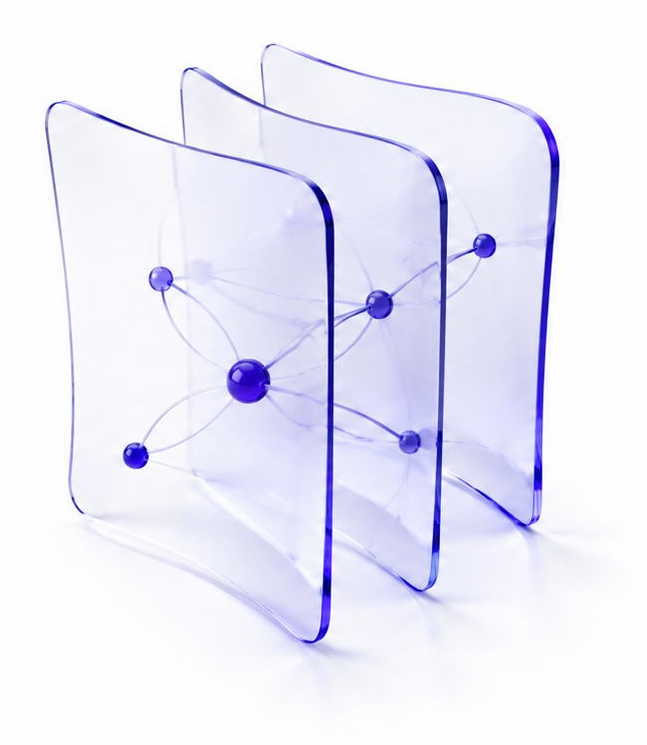
Map the field across dozens of publications
Claims linked to sources
A draft with formulas and GOST or APA references
A presentation for a defense or conference
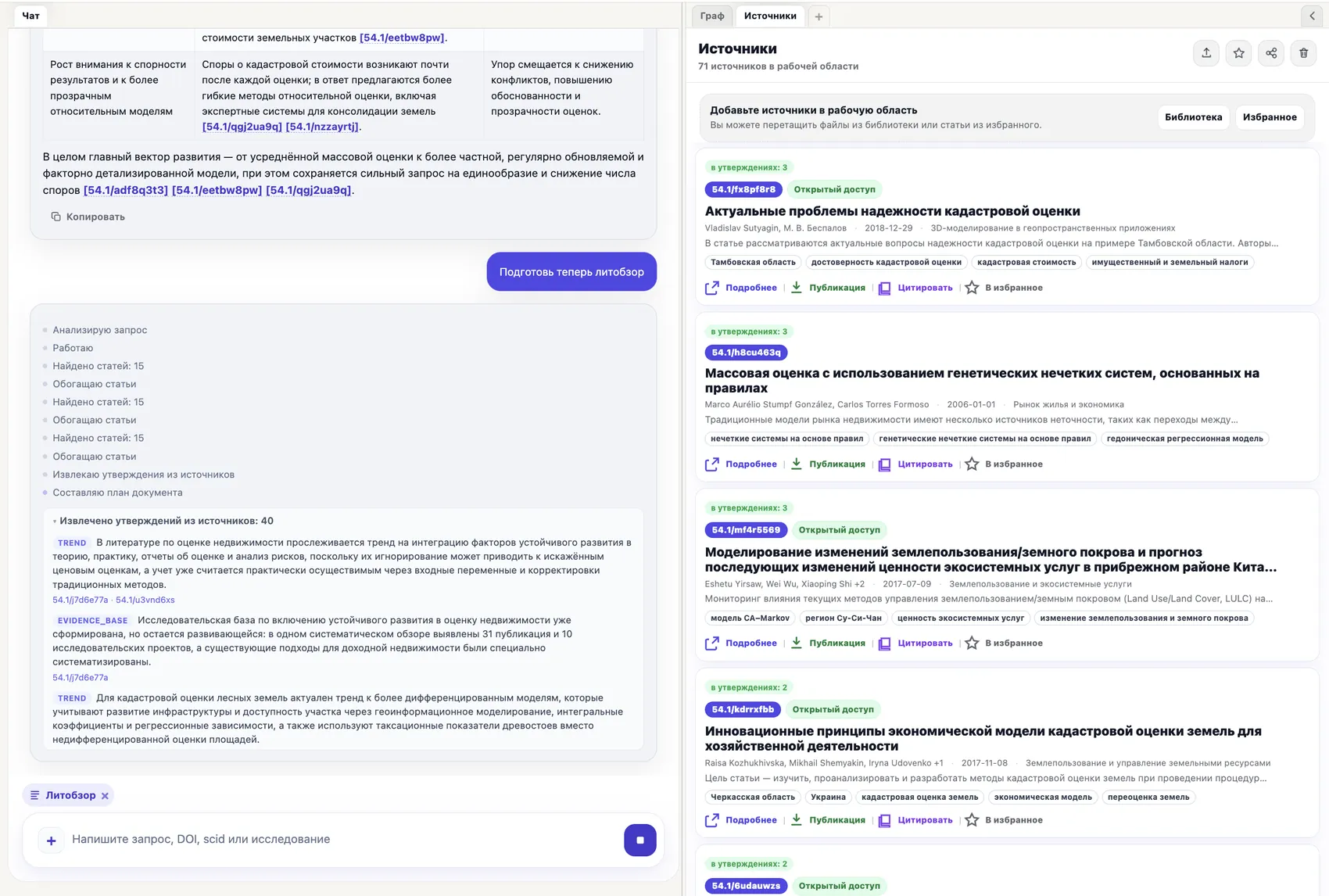
scid.ai extracts claims from the papers it finds. Alongside is a source panel with the number of claims per paper, open access status and a Cite button.
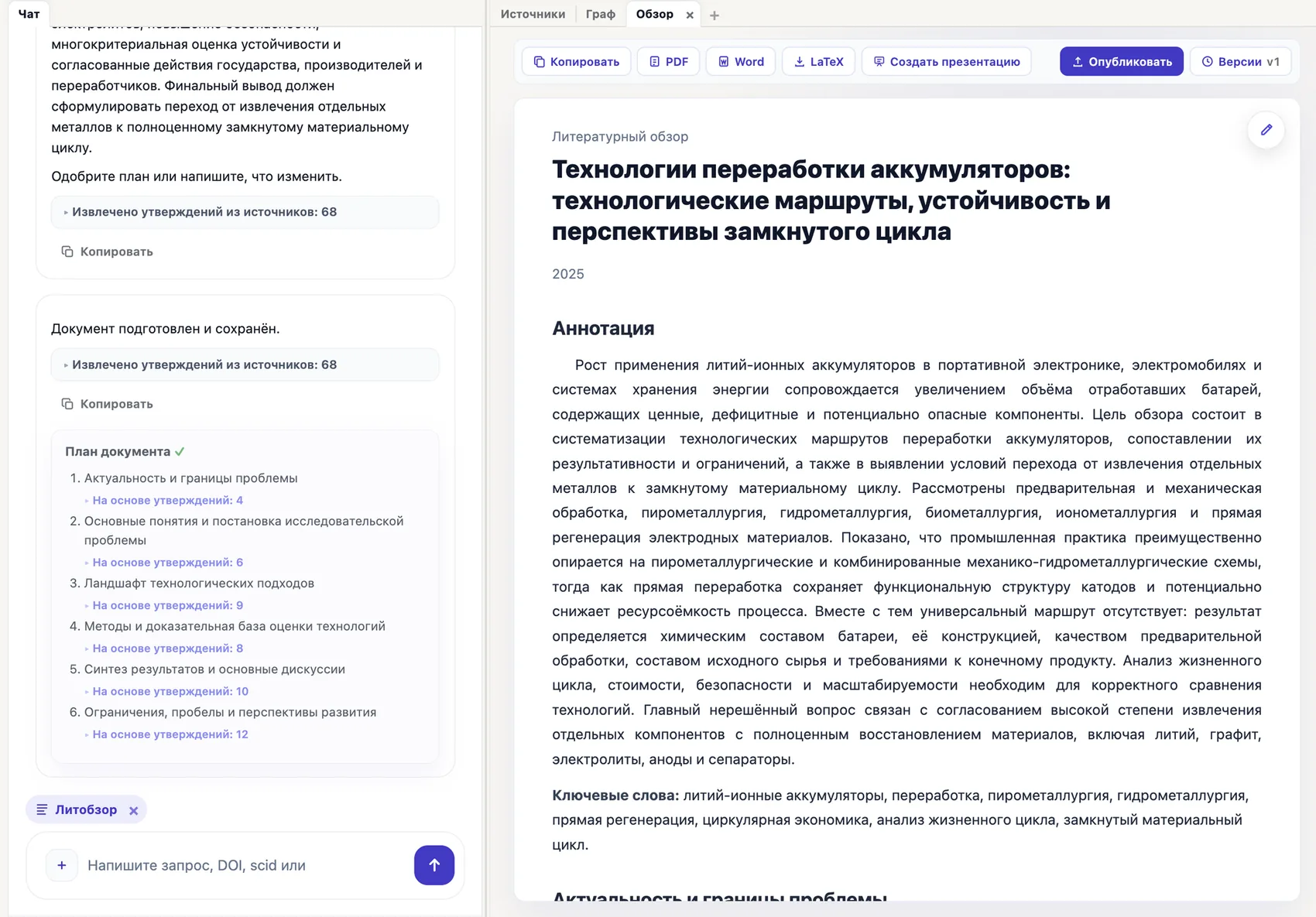
First a document plan with the number of claims per section — edit or approve it. Then the finished review with an abstract, keywords and in-text references.
Formulas, tables, AI text, illustrations and GOST or APA reference formatting — without exporting to Word. All edits are saved as a version.


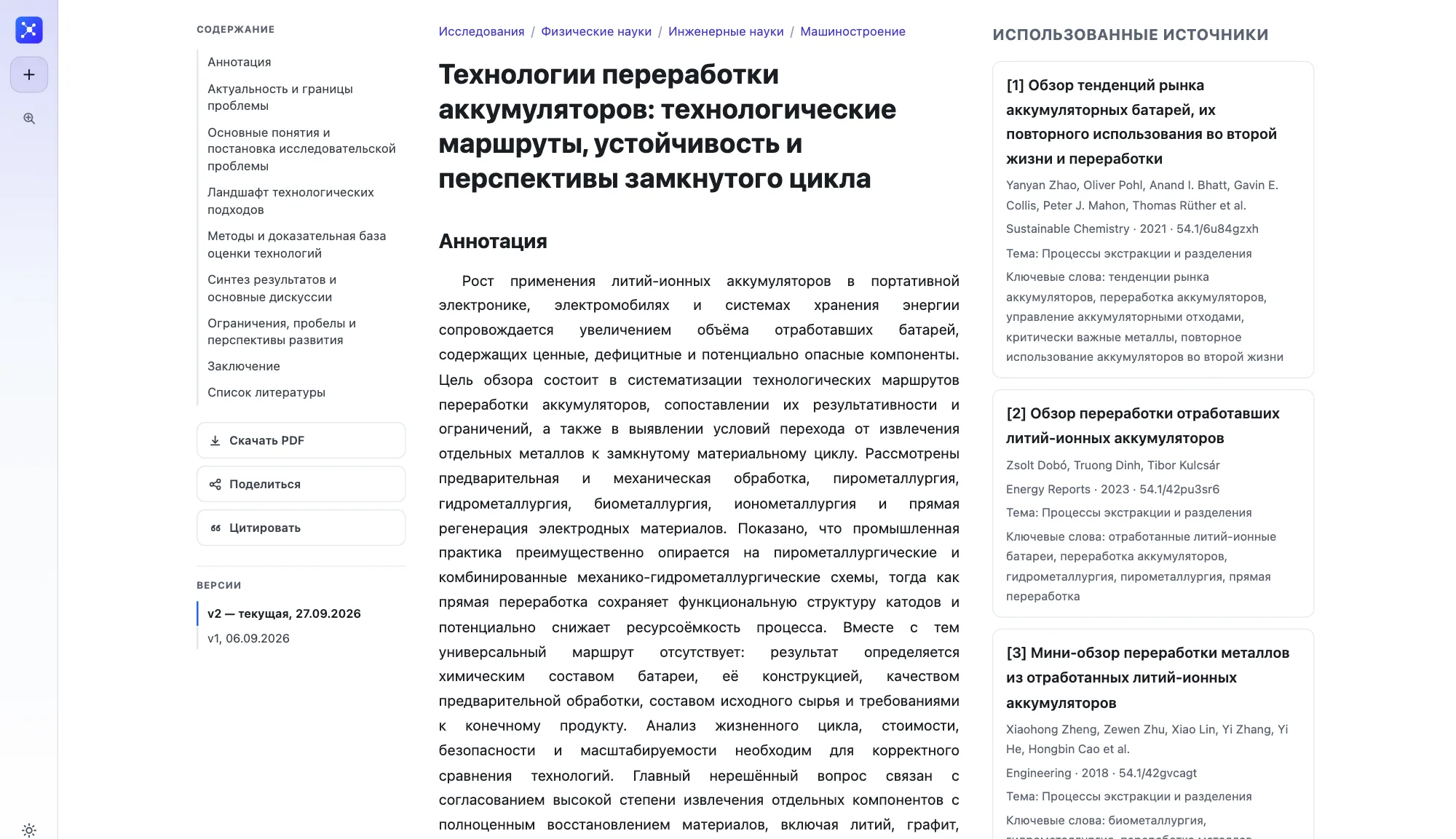
The finished review is published on its own scid.ai page with a link you can share with colleagues.
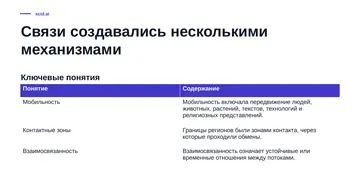
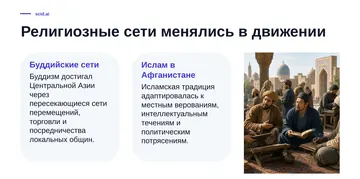
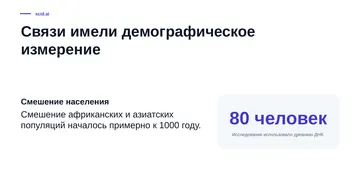
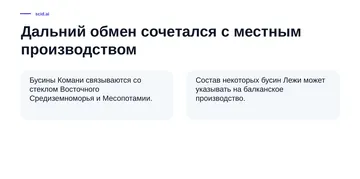
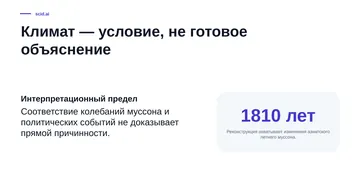
Slides are built from a review or paper and downloaded as PPTX.
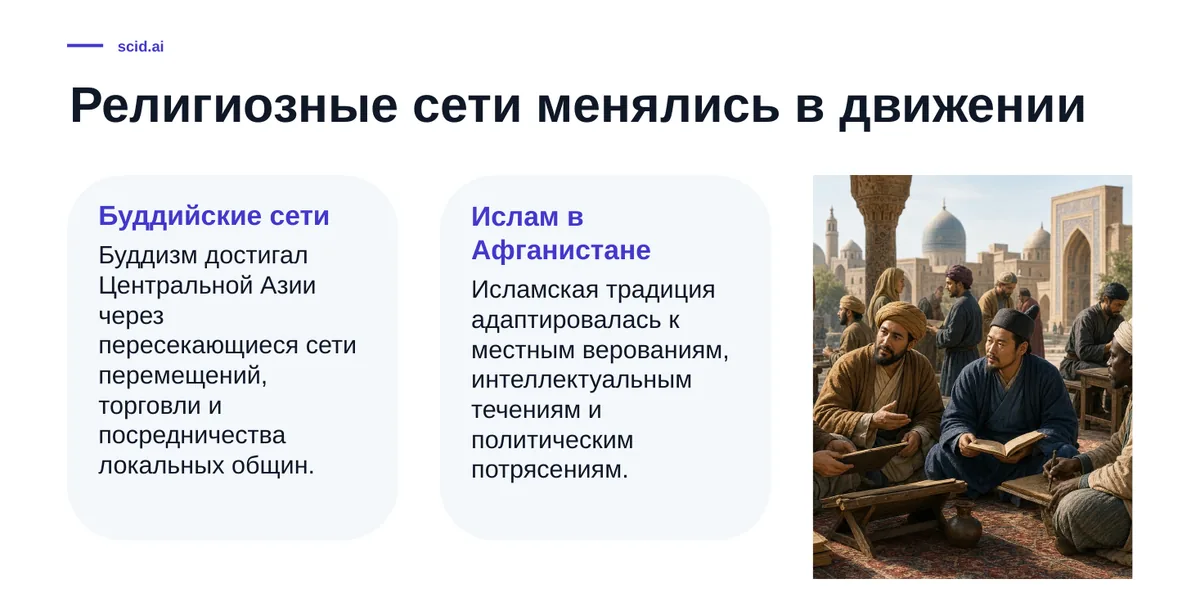
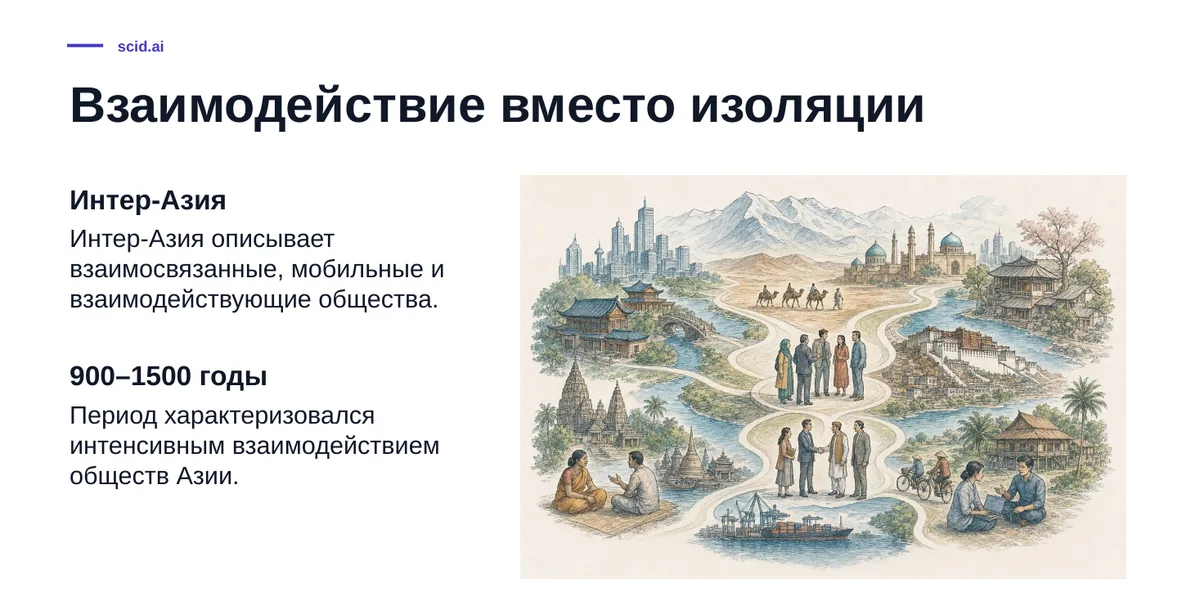
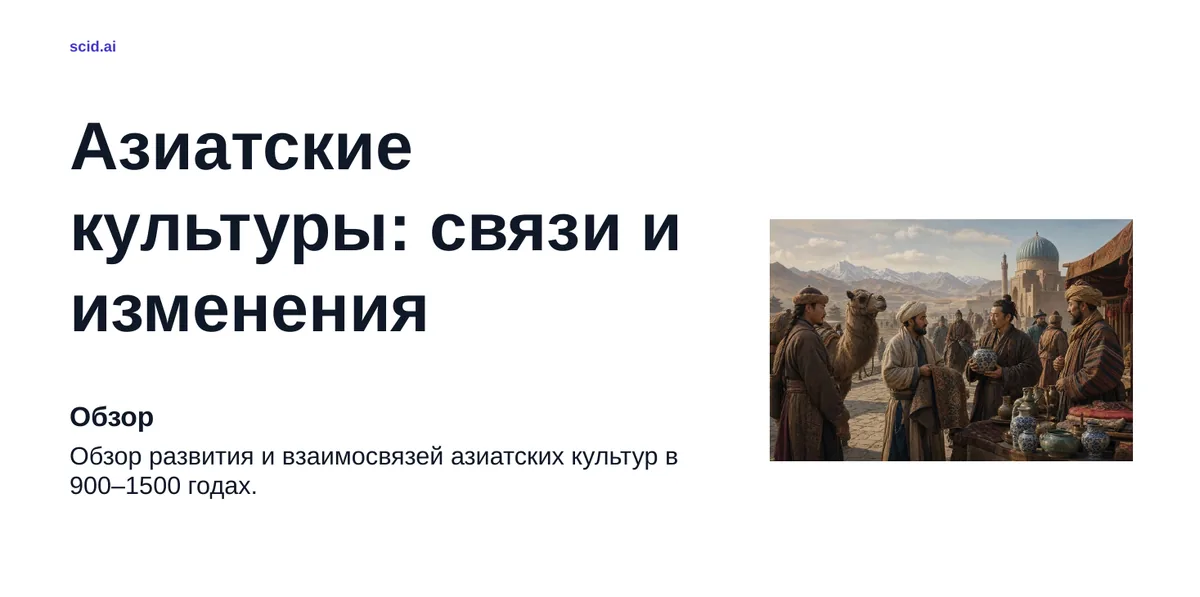 PPTX · 8 slidesDownload PPTX

Write to us or leave a request and we will show scid.ai on the topic of your research.